Urban design and participation
Community consultations and workshops
Agreement builds.
- Spacesquares, streets, parks, courtyards and other shared spaces in the city
- Forcities, municipalities, city services, developers, housing cooperatives
- Approachattention to people, supported by technology and AI
Why?
Different perspectives reveal problems a designer would not see alone. Officials and architects better understand how people really use the city, and new streets, squares and parks respond to real needs.
People care for places they helped create. Neighbours protect the greenery they planned together, and young people look after a square they designed themselves.
Participation gives people the right not only to vote, but to co-create urban space. They get to know each other and learn to talk, to work in a team and to take responsibility for their surroundings.
How we work
- 1UnderstandingWe start with empathy, which stays with us throughout the process. We listen to residents and get to know the place and how people use it every day, through walks around the area, conversations, maps and photos.
- 2Looking for solutions togetherWe work with plans, maps and drawings. Digital tools and AI break down barriers: design language, lack of specialist knowledge, lack of time and the difficulty of imagining a future space. Residents can see and test ideas before anything is built.
- 3Changing perspectiveWe debate and look at the city through the eyes of others: children, seniors, cyclists, business owners. We combine artificial intelligence with collective intelligence, the knowledge and experience of people who create space together.
- 4A democratic decisionTogether we choose a direction, for example by voting. Designers and decision makers get clear conclusions, and residents see that their voice really counts. The architect becomes the moderator of this knowledge.
Context
To understand how we can talk to each other, we need to understand who we are.
We cannot copy solutions from Copenhagen to Polish cities one to one. In Geert Hofstede’s research on cultures, Poland scores high on power distance (68, Denmark 18) and has one of the strongest needs to avoid uncertainty (93, Denmark 23). That is why a good conversation about the city starts, in Poland, with a sense of safety, clear rules and trust.
Meeting in person takes time and effort. That is not a flaw: this effort pulls people away from their screens, builds neighbourly relationships and makes people really hear each other. For us, technology supports the conversation and never replaces it.
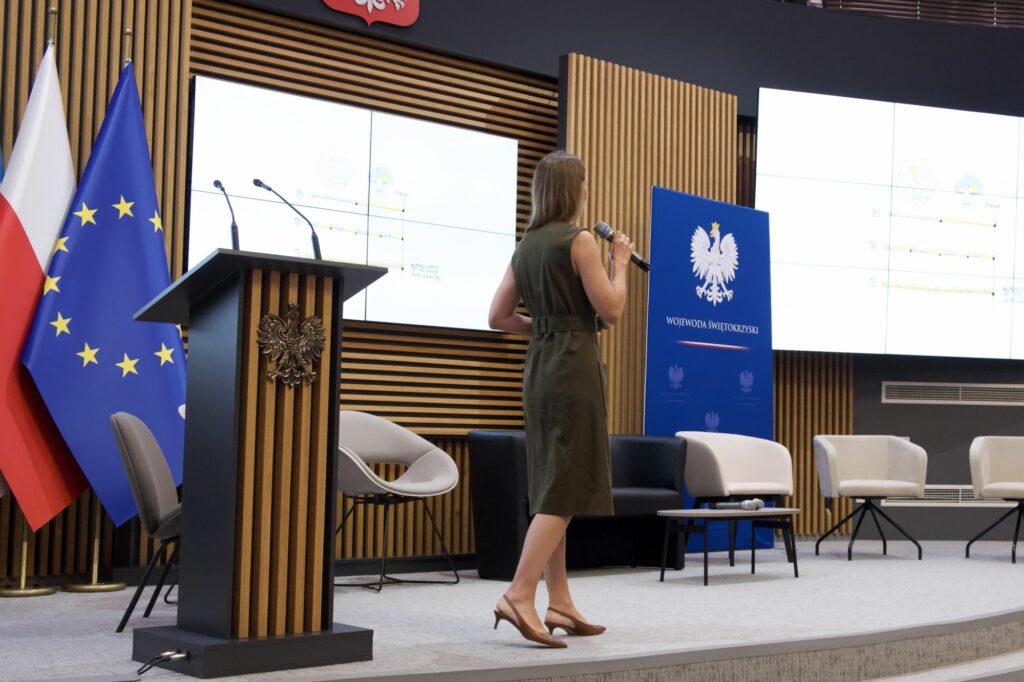
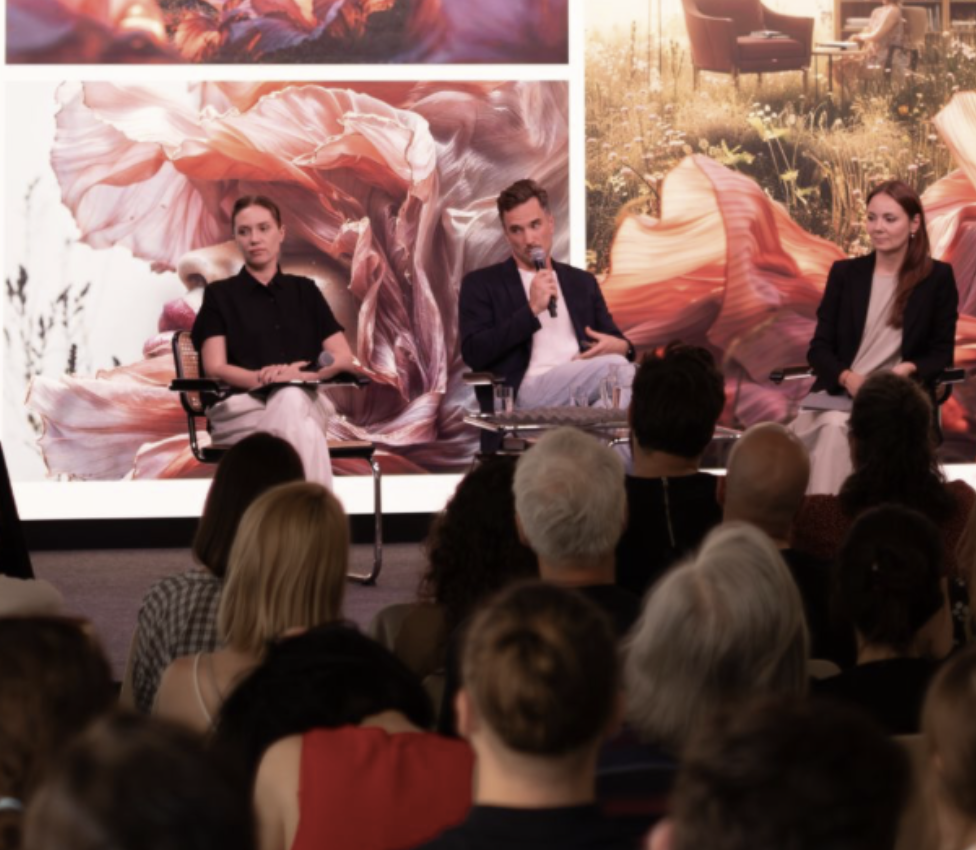
In September 2026 we presented this approach at the Chambers of Architects conference in Kielce, in the workshop “From consultation to co-creation”.
- Toolsplans, maps and photos, walks around the area, debates, drawing together, voting, digital tools and AI
- Atmospheresafety, trust, empathy, curiosity, humility and the belief that it is not only my opinion that counts
- Forcity leaders and city services, residents, young people, families, architects and urban planners, scientists and researchers
Timeline
- September 2026KielceFirst presentation and tests
We present and test the concept with architects for the first time at the Chambers of Architects conference “Artificial intelligence, but a real revolution”.
- 19 November 2026Zodiak, Warsaw, 6 pm to 8 pmWorkshop at Zodiak, Warsaw Pavilion of Architecture
Join our workshop. Together we will explore how to talk about urban space and how technology can help.
- Next stepsSchools and local communitiesField tests
We test the process in schools and with residents: young people, families and neighbours who use shared space every day.
Project team
Architect, HUS
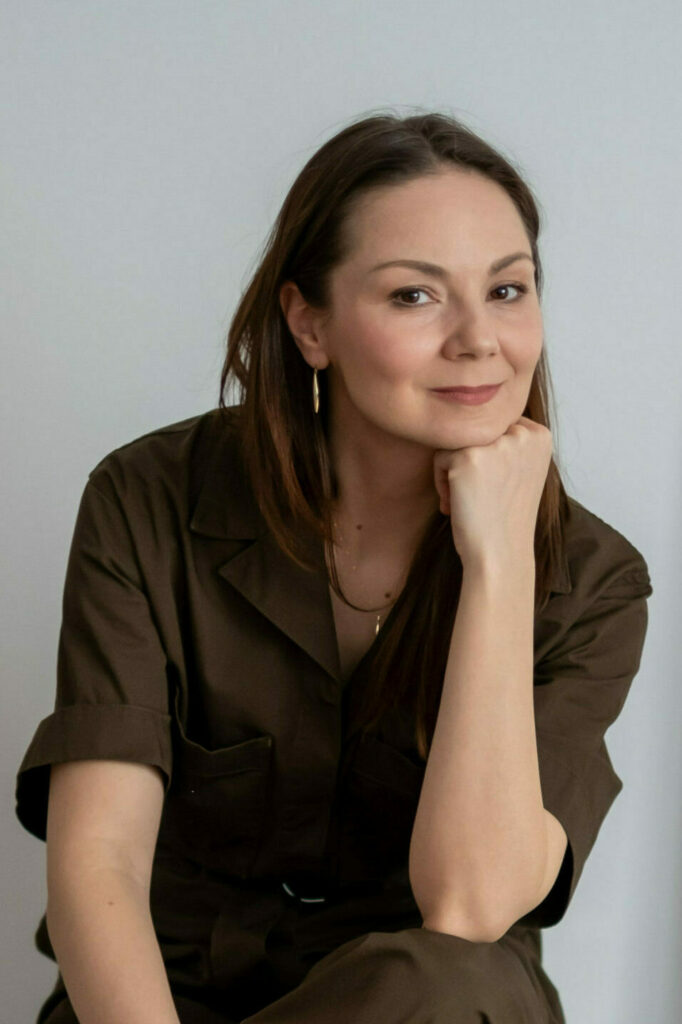
Partner and co-founder of HUS. For more than 15 years she has designed architecture, interiors and products, and at Tylko S.A. she develops parametric furniture systems. She looks for ways of designing closer to people and explores how AI can bring residents into the creative process.

Architect, HUS
Co-founder of HUS and a graduate of the Faculty of Architecture at the Warsaw University of Technology. For 10 years she designed residential, public and commercial buildings. Understanding people’s needs matters most to her, and she treats AI as a tool that expands creative possibilities.
AI and visualisation systems
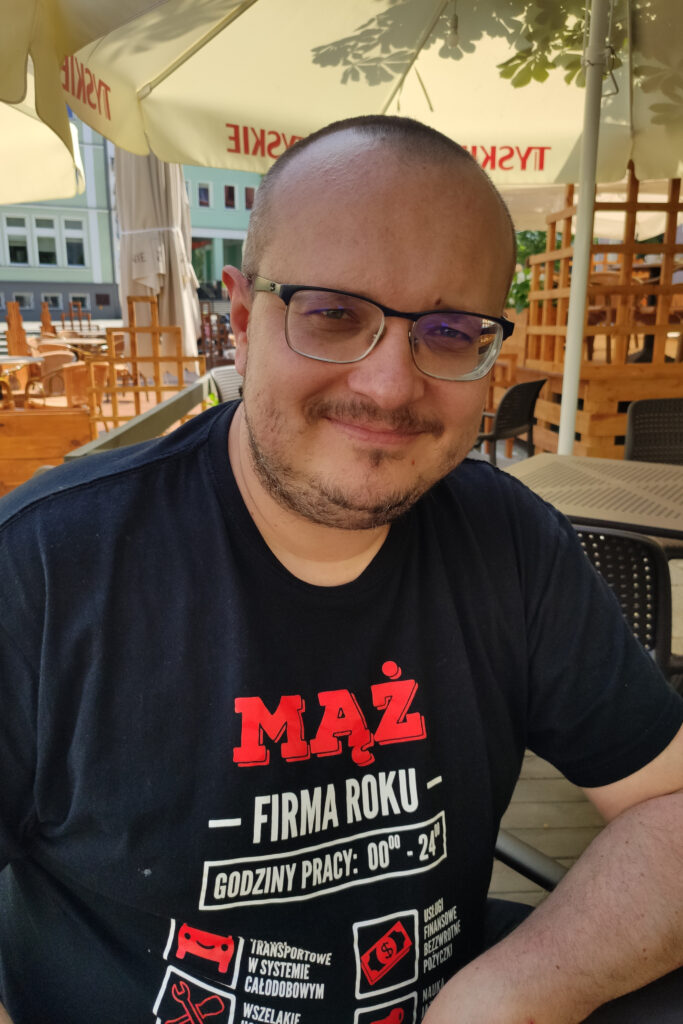
Programmer and graphics systems architect, working in television since 2003 and co-creator of the virtual studio system at TVN24. He works with Tylko S.A. on visualising parametric furniture and builds AI applications that help people make decisions.
Research manager
She leads research in the project: she plans how to collect and analyse residents’ voices and checks what each round of testing teaches us.